Why are screws tightened clockwise?
2024-11-12
Our company is a focus on fasteners thirty-four years of source factory,
In the industry has a wealth of practical experience and methodology.
Our company has been continuously carrying out industry professional sharing in the public number,
Aim to communicate with more friends in the industry.
In this section,
We will introduce you to the "Why are screws tightened clockwise?"
If you are interested, please pay attention to and collect ~
In order to better introduce to you,
In the later stage, we will invite our professional quality inspection department staff to do popular science experiments for you.
In the industry has a wealth of practical experience and methodology.
Our company has been continuously carrying out industry professional sharing in the public number,
Aim to communicate with more friends in the industry.
In this section,
We will introduce you to the "Why are screws tightened clockwise?"
If you are interested, please pay attention to and collect ~
In order to better introduce to you,
In the later stage, we will invite our professional quality inspection department staff to do popular science experiments for you.
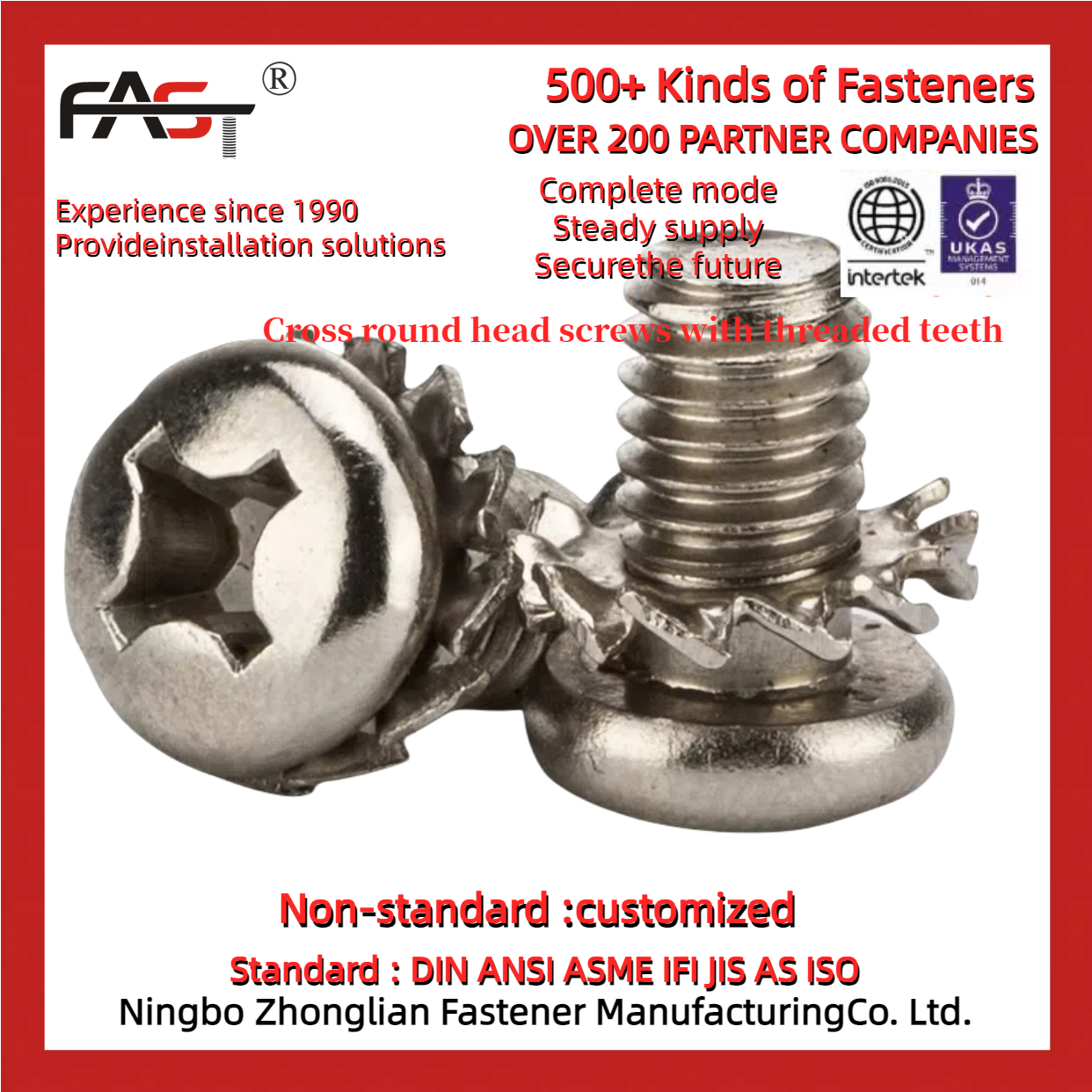
The English word corresponding to Screw is Screw. The meaning of this word has changed greatly in the past few hundred years. Small screws have experienced thousands of years of time from being invented to being prescribed to be tightened clockwise and loosened counterclockwise.
Screw, why does it have to be tightened clockwise? Do you know now?
If you don't know, read on.
Screw, why does it have to be tightened clockwise? Do you know now?
If you don't know, read on.
Plato's friend invented the screw
The six simplest mechanical tools are: screws, inclines, levers, pulleys, wedges, wheels, and axles.
The screw is one of the six simple machines, but it is nothing more than an axis and an inclined plane winding around it.
Today, screws have been developed in standard sizes. The typical way to use a screw is to tighten it with a clockwise rotation (as opposed to a counterclockwise rotation to loosen it).
It is believed that Plato's friend, Archiytas of Tarentum, invented the screw in 400 BC. Archimedes was the first to realize that you could use screws to hold things together, and you could also use them to lift water.
The Romans used bronze and silver as materials to cut the screws by hand. In the early days, various kinds of screws were used to press olive oil, to irrigate canals, to drain water from bilges, and, of course, to hold things together.
Clockwise tightening is mainly determined by right-handed people
However, since the screws at the beginning of the invention were handmade, the degree of fineness of the screws was not consistent, and was often determined by the personal preference of the artisan.
By the mid-16th century, Jaques Besson, a French court engineer, had invented a lathe that could be cut into screws, a technique that took 100 years to popularize. The Englishman Henry Maudsley invented the modern lathe in 1797, with which the degree of fineness of threads was significantly improved. However, there is still no uniform standard for the size and fineness of screws.
This changed in 1841.
Maudsley's protege, Joseph Whitworth, submitted an article to the Institute of Municipal Engineers calling for a unified screw model.
He made two suggestions:
1, screw thread Angle should be 55° as the standard;
2, regardless of the diameter of the screw, the number of wires per foot should take a certain standard.
However, since the screws at the beginning of the invention were handmade, the degree of fineness of the screws was not consistent, and was often determined by the personal preference of the artisan.
By the mid-16th century, Jaques Besson, a French court engineer, had invented a lathe that could be cut into screws, a technique that took 100 years to popularize. The Englishman Henry Maudsley invented the modern lathe in 1797, with which the degree of fineness of threads was significantly improved. However, there is still no uniform standard for the size and fineness of screws.
This changed in 1841.
Maudsley's protege, Joseph Whitworth, submitted an article to the Institute of Municipal Engineers calling for a unified screw model.
He made two suggestions:
1, screw thread Angle should be 55° as the standard;
2, regardless of the diameter of the screw, the number of wires per foot should take a certain standard.
It seems to be an unwritten rule that the screws should be tightened clockwise, because right-handed people use their right hand to turn the screws clockwise with greater strength, and most people are right-handed (about 70% to 90%).
Although the screw is small, in the early days, n kinds of machine tools and n+1 kinds of tools were required to make it
Either way, Mr Whitworth's ideas are welcome. Shortly after his proposal, the whole of Britain adopted the screw standard with round bottom pointed heads, and the United States and Canada also adopted this standard in the 1860s. However, screws are not easy to manufacture because their production process "requires three tools and two machine tools."
In order to solve the British standard manufacturing problem, the American William Sellers invented a flat top and flat heel thread in 1864, this small change allows the manufacture of screws only need a tool and machine tool. Faster, simpler and cheaper.
The thread of the Sellers screw became popular in the United States and soon became the standard for use by American railroads (two of which were busy building transcontinental railroads).
The British stuck with Whitworth's slightly fussy screws, but these different standards caused problems during World War II. At one point, the British, Canadian and American armies got their equipment parts mixed up with their maintenance parts. After the war, Canada, the United States, and the United Kingdom reached an agreement in 1949 to unify the standard of thread - based on the British system, using 60 degrees of inclination.
A little later, Britain switched to the metric system of measurement. In 1960, both the International System of Units and the ISO metric standard screws in the country adopted a 60-degree Angle thread. Around the world, metry-based clockwise screws have become the standard. However, in the United States, about 60% of threads still use inch-based screw standards.
The thread of the Sellers screw became popular in the United States and soon became the standard for use by American railroads (two of which were busy building transcontinental railroads).
The British stuck with Whitworth's slightly fussy screws, but these different standards caused problems during World War II. At one point, the British, Canadian and American armies got their equipment parts mixed up with their maintenance parts. After the war, Canada, the United States, and the United Kingdom reached an agreement in 1949 to unify the standard of thread - based on the British system, using 60 degrees of inclination.
A little later, Britain switched to the metric system of measurement. In 1960, both the International System of Units and the ISO metric standard screws in the country adopted a 60-degree Angle thread. Around the world, metry-based clockwise screws have become the standard. However, in the United States, about 60% of threads still use inch-based screw standards.
A brief summary of this class is as follows:
The screws are tightened clockwise for the following reasons
Ergonomic: Most people are right-handed, and when using tools to tighten screws, clockwise rotation is more in line with the body's natural force habits, and it is more convenient to apply larger torque, which makes it easier to tighten screws.
The screws are tightened clockwise for the following reasons
Ergonomic: Most people are right-handed, and when using tools to tighten screws, clockwise rotation is more in line with the body's natural force habits, and it is more convenient to apply larger torque, which makes it easier to tighten screws.
History and tradition: This tightening method has a long historical heritage. In the early machinery manufacturing and woodworking process, craftsmen gradually formed the habit of clockwise tightening, and this tradition has continued to this day, and has been widely used in modern industrial production.
Mechanical efficiency: From the point of view of mechanical principle, when the screw is tightened clockwise, the bevel structure of the thread allows the screw to more effectively convert the rotating motion into a linear motion during the rotation process, so as to bite the object more tightly and achieve better fastening effect.
Prevent loosening: under the action of vibration or other external forces, counterclockwise rotation is easier to loosen the screw, and clockwise screw is relatively less easy to loosen itself, and can better maintain the fastening state to ensure the reliability and stability of the connection.
In order to better serve customers,
We will also provide professional installation advice and use after sale.
Email: sales08@sinofastener.com
whatsapp:00852-68229670
Mechanical parts drawing classic tutorial-First part
Types and Uses of Fasteners Commonly Used in Mechanical, Electrical, and Plumbing Construction
Related Article
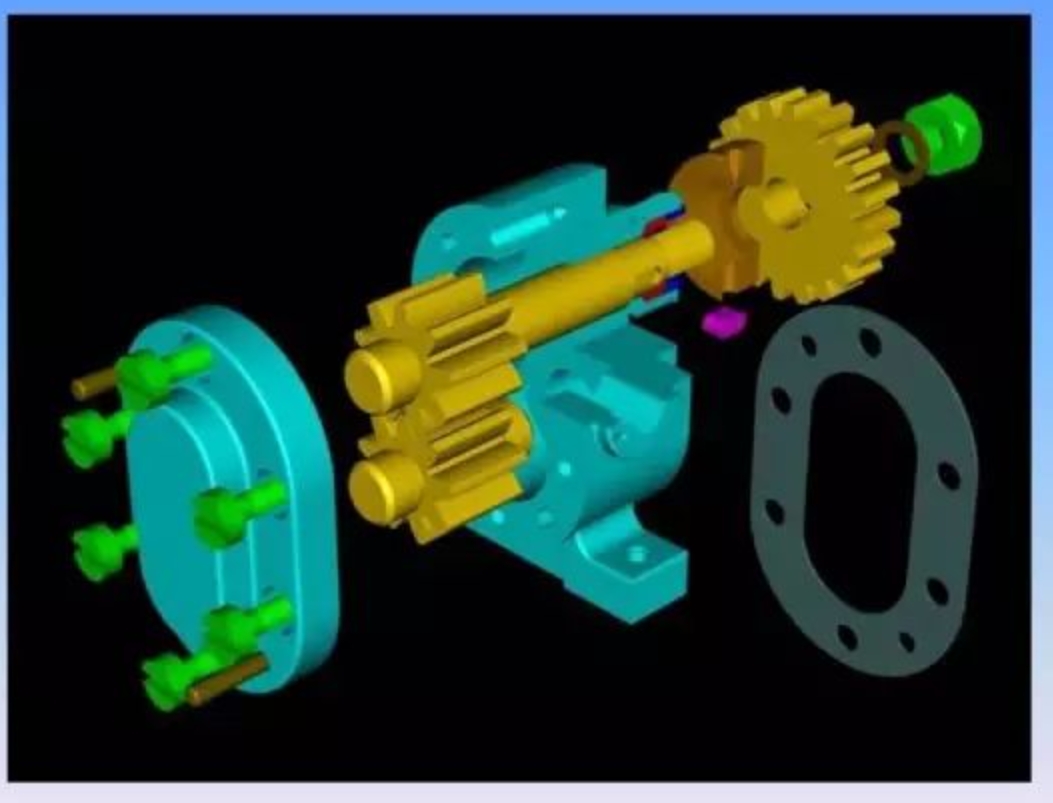
When explaining complex parts such as gears and shafts, the step-by-step diagrams and detailed annotations in the tutorial,
Let me easily master the key skills such as dimensioning, tolerance coordination and so on.
What's more, by actually drawing it,
I have a deep understanding of the assembly relationship and movement principle between parts,
If you are also a fan or practitioner of industrial production, mechanical design, highly recommended
Let me easily master the key skills such as dimensioning, tolerance coordination and so on.
What's more, by actually drawing it,
I have a deep understanding of the assembly relationship and movement principle between parts,
If you are also a fan or practitioner of industrial production, mechanical design, highly recommended
Mechanical parts drawing classic tutorial-First part
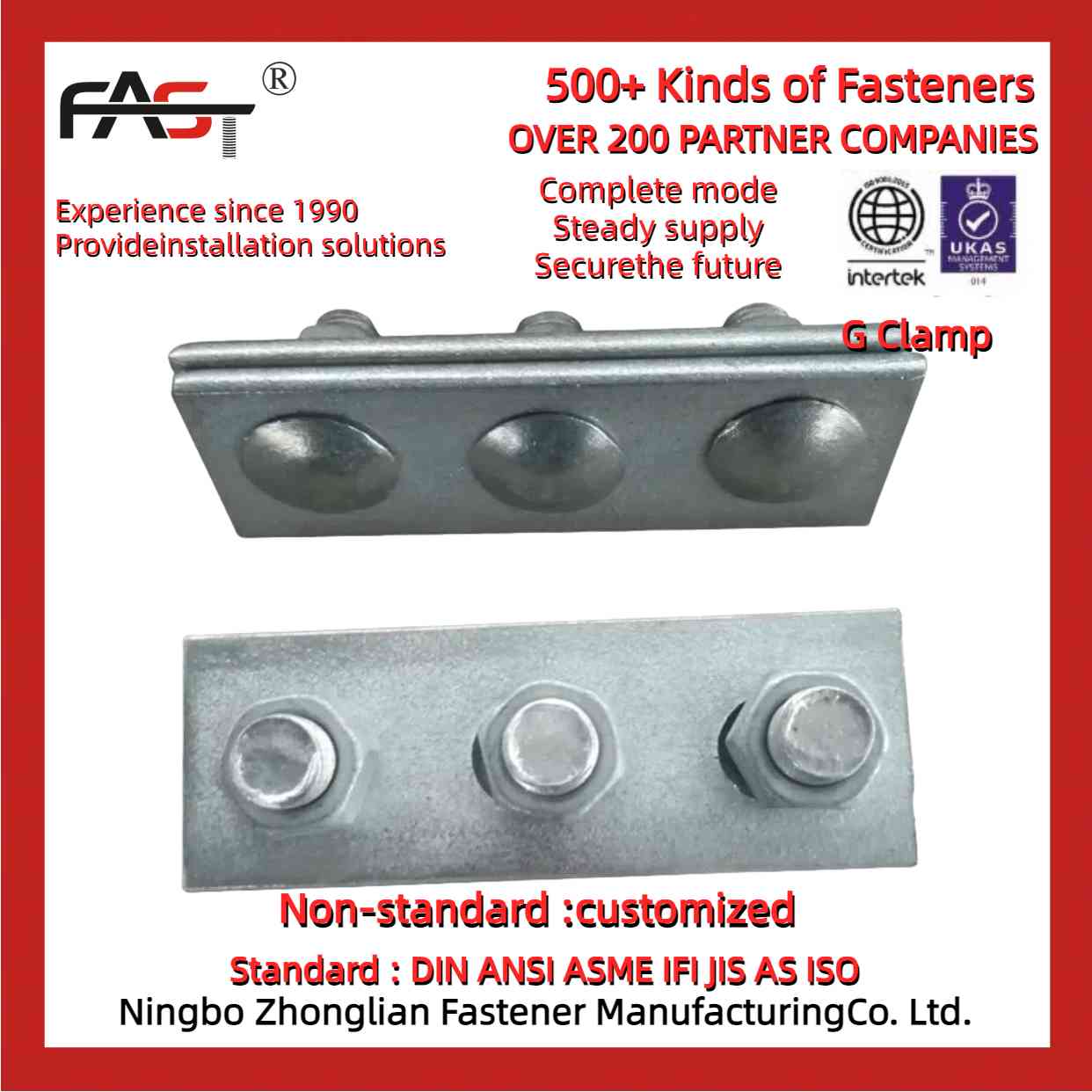
Types and Uses of Fasteners Commonly Used in Mechanical, Electrical, and Plumbing Construction